The best cat litter is the one your cat will use comfortably every day while helping you keep the litter area clean, calm, and hygienic. Veterinarians usually look past marketing claims and focus on safety, dust, texture, odor control, and whether the litter supports normal litter box habits.
What makes a litter safe for cats?
A good litter should produce as little dust as possible, because dust can irritate a cat’s nose, eyes, and airways. This matters especially for kittens, senior cats, and cats with asthma or allergies.
Most veterinarians also recommend avoiding heavily perfumed litters. Strong scents may seem pleasant to people, but cats have sensitive noses and may avoid a box that smells too intense.
Clumping, non-clumping, clay, or natural litter?
Clumping litter is popular because it makes daily scooping easier. When urine forms a firm clump, it can be removed quickly, which helps keep the box fresher and more predictable for your cat.
Natural litters made from wood, corn, paper, or other plant materials can be a good option for some households, but the texture and odor control vary. The best choice is usually the one your cat accepts without hesitation.
Why texture matters
Cats usually prefer a fine, soft texture that feels comfortable under their paws. If the litter is sharp, large-grained, or uncomfortable, the cat may start standing on the edge of the box, scratching outside the box, or avoiding it entirely.
When changing litter, introduce the new material gradually. Mixing a small amount into the old litter over several days helps your cat adjust without feeling that the box has suddenly changed.
Cleanliness is just as important as the litter itself
Even an excellent litter will not work well if the box is not cleaned often enough. Cats are naturally clean animals and many will avoid a dirty box, especially in multi-cat homes.
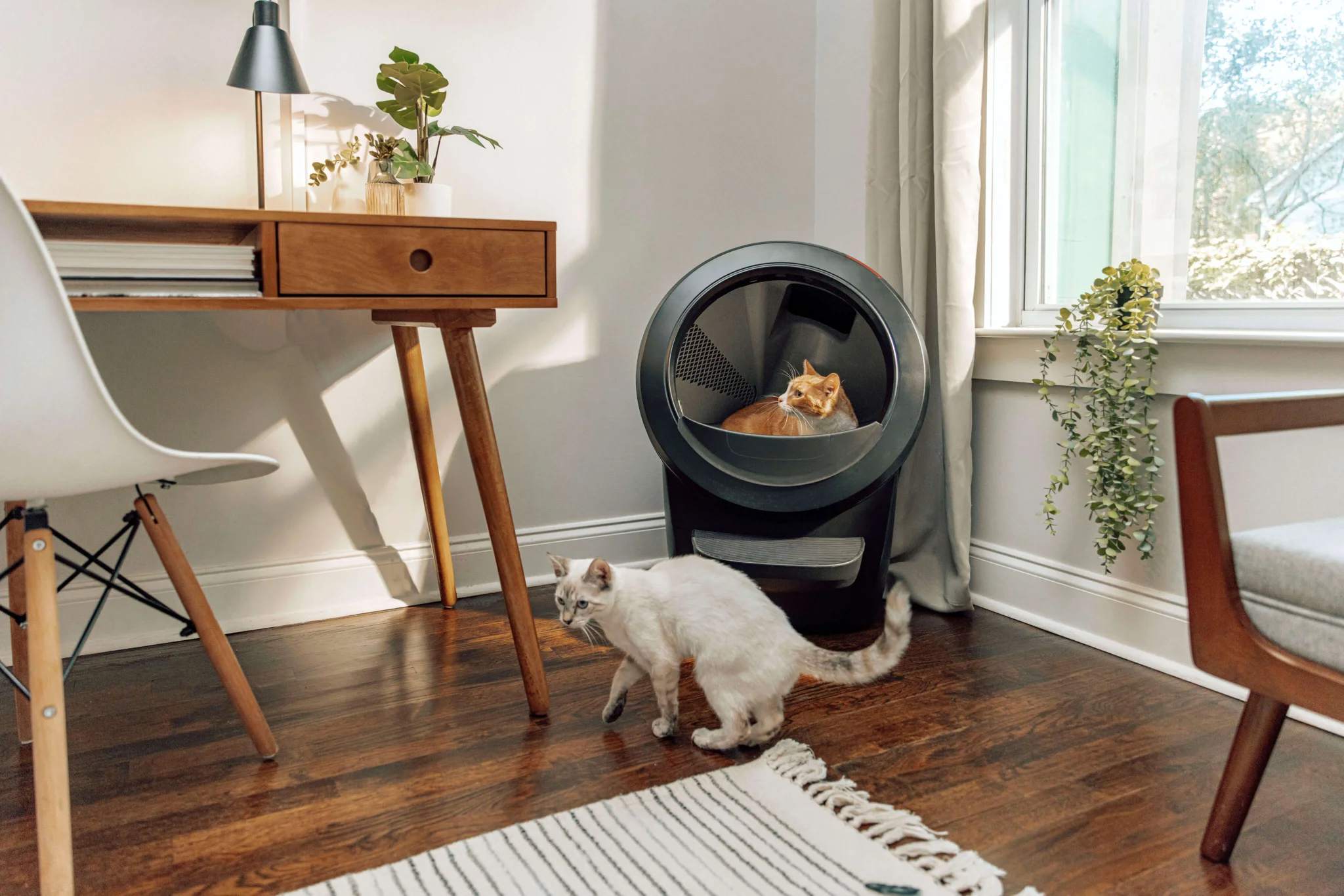
An automatic self-cleaning litter box such as Litter-Robot by Whisker can help keep the litter bed consistently clean after each use. That can reduce odor, support better habits, and make daily maintenance easier for the owner.
A practical veterinarian-style checklist
Choose a low-dust litter, avoid harsh fragrances, keep the texture soft, scoop or clean the box frequently, and watch your cat’s behavior. If your cat suddenly avoids the box, urinates outside it, strains, or cries while using it, contact a veterinarian before assuming the litter is the only problem.
The best cat litter is not always the most expensive one. It is the one that keeps your cat healthy, comfortable, and willing to use the litter box every time.